Board-and-Train Dog Programs: How They Work and What to Ask
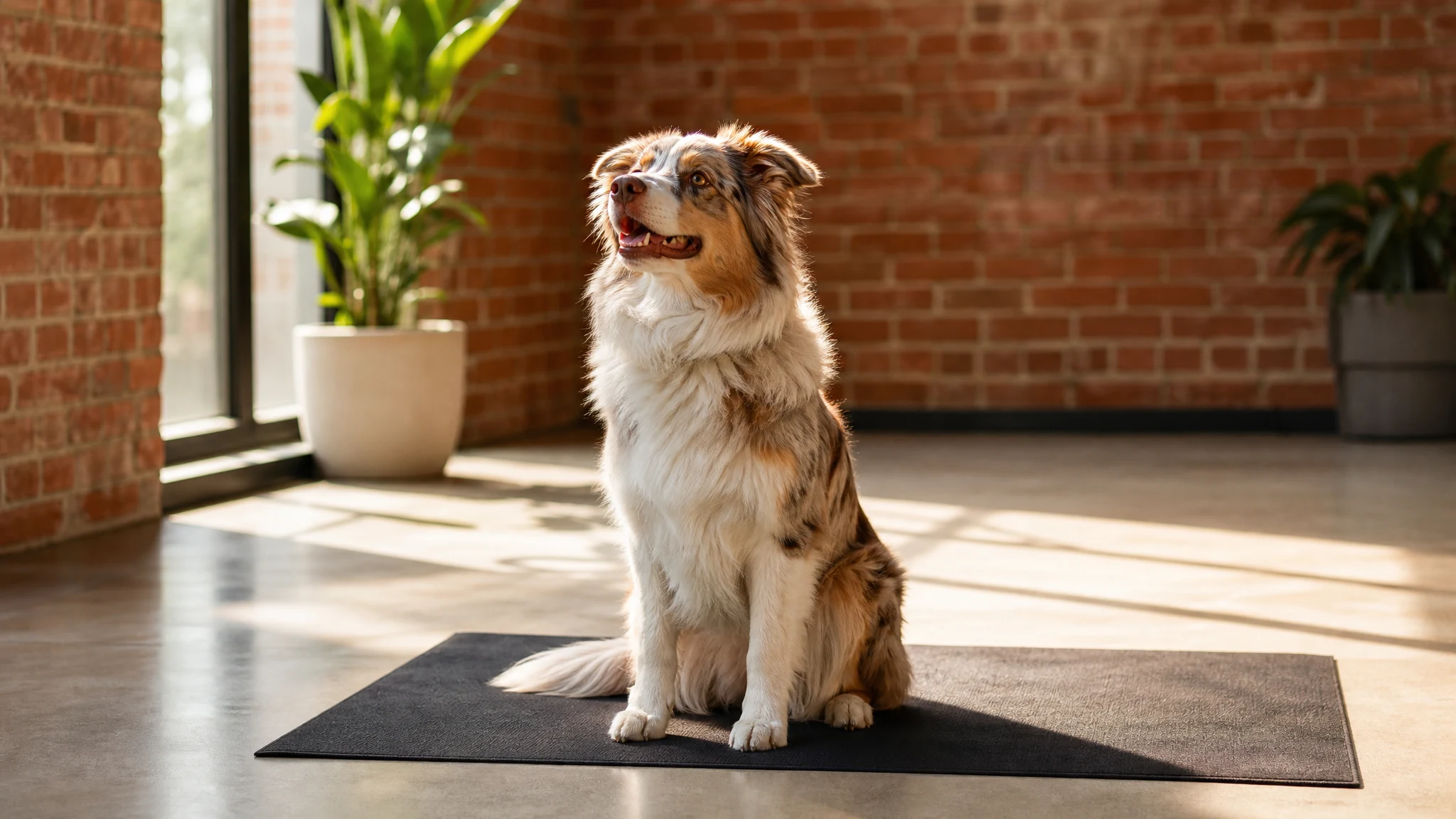
General training information. For aggression, sudden behavior changes or health concerns, see your veterinarian first.
Board and train dog training means your dog stays with a trainer for days or weeks while the training happens. It sounds easy for a busy Charlotte household, but it carries trade-offs worth understanding before you hand over the leash. These answers explain how the programs work and what to ask first.
The Basics
What is a board-and-train program?
Your dog lives with a trainer or at a training facility for a set period. The trainer works on skills such as loose-leash walking, recall or house manners each day. Afterward, you are meant to learn how to keep those skills going at home.
How long do these programs usually last?
Lengths vary a lot from one provider to the next. Ask for the exact dates and what is planned for each week. We cannot list typical lengths for Charlotte, so check directly with any provider you are considering.
What can a board-and-train realistically cover?
Most programs focus on everyday manners and basic cues. Foundations like sit, down, come and polite leash walking are common goals. Complex behavior problems need a closer look, which we cover below.
Is board and train worth it?
It depends on your dog, your schedule and the quality of the program. It can help families who struggle to find time for daily practice. It does not replace your own part, because the dog still has to learn to respond to you in your home.
Who is it a poor fit for?
Dogs with intense separation distress or a history of stress in new places may struggle with weeks away from home. Shy or fearful dogs often do better with training in familiar surroundings. If you are unsure, talk it over with your veterinarian first.
The Risks
What are the biggest risks?
The two big ones are methods you cannot see and skills that do not transfer to you. A dog may behave well for a stranger and still ignore you at home. Stress from boarding itself can also affect how well a dog learns.
Why does it matter that I cannot watch the training?
Dogs can look obedient because they are afraid, not because they understand. The American Veterinary Society of Animal Behavior (AVSAB) supports reward-based training and advises against aversive methods. Ask what tools and corrections the trainer uses, and ask to see a session or a video of one.
What does "transfer of training" mean?
It is how well your dog's new skills carry over to you, your family and your own house. Cues learned in a facility may fall apart on your street or in your living room. A good program teaches you the same cues, timing and rewards the dog learned.
Could my dog come home stressed or sick?
Any stay away from home can bring new stress and exposure to other dogs. Ask how dogs are housed, how much rest they get and what the plan is if your dog seems unwell. If your dog shows signs of illness or injury after a stay, see a veterinarian.
Red Flags
Are guarantees a good sign?
No. Behavior depends on the dog, the home and the follow-through, so no one can promise a result. Be wary of anyone who offers a guaranteed outcome or a "fixed in two weeks" claim.
What equipment should worry me?
Walk away from any program that uses shock, prong or choke collars. The same goes for alpha rolls, scruffing or "dominance" talk. These methods can cause fear and pain, and they are not in line with AVSAB guidance.
Is a program with no owner sessions okay?
It is a red flag. If you never meet the trainer, you cannot learn what your dog learned. Look for lessons with you before pickup and follow-up support afterward.
What other warning signs should I watch for?
Be cautious about trainers who will not let you see where your dog will stay or refuse to explain their methods. Vague answers about daily schedules are another concern. So are pressure to sign quickly and a refusal to put the plan in writing.
Questions to Ask
What should I ask about methods and daily care?
- What do you do when my dog gets something wrong?
- What tools and equipment do you use?
- Where will my dog sleep, and how many hours a day will be spent training versus resting?
- Will my dog be around other dogs, and how are they matched?
What should I ask about credentials?
Ask what certifications the person holds and how to verify them. In the Charlotte area, some trainers list credentials such as CPDT-KA through the Certification Council for Professional Dog Trainers (CCPDT). Credentials do not guarantee a good fit, so also ask about methods and experience with dogs like yours.
What should I ask about my part?
- How many sessions will I have with the trainer, and when?
- Will I get written instructions and practice plans?
- What support do I get if problems return after my dog comes home?
What should I ask about cost and paperwork?
We have no published Charlotte prices for these programs, so ask each provider for a written fee. Ask what is included, what extra charges could appear and what the refund policy is. Request the contract in writing before you commit.
Charlotte Considerations
What vaccines and records will I need?
North Carolina law (G.S. 130A-185) requires rabies vaccination for dogs over four months old. Charlotte-Mecklenburg also asks for proof of a current rabies vaccine to get or renew a pet license, and Animal Care and Control says dogs 4 months and older need a license. Facilities usually ask for more vaccines, so confirm their requirements with each provider.
How does the Charlotte summer affect a board-and-train?
Charlotte Mecklenburg Animal Care and Control advises avoiding hot pavement at peak heat, walking pets in the early morning or late evening, and never leaving pets in parked cars. Ask any provider how they handle outdoor time in hot weather. Ticks also occur in North Carolina, so ask about tick prevention and talk with your veterinarian about a product that fits your dog.
What if my dog's problem is aggression or a bite risk?
Start with your veterinarian to rule out pain or illness. Then work with a certified behavior professional rather than a general obedience program. Charlotte-area listings include Camille D Asmer of Canine Behavior Solutions (IAABC-CDBC) and Angie Cook of Canine Cohesion Behavior Services (CDBC), so check directly with each about services. Mecklenburg County rules also say dogs that bite someone are quarantined for ten days.
Are there alternatives to boarding my dog?
Yes. Group classes and private lessons keep your dog at home and put you in charge of the practice. Our guide to dog training in Charlotte, including classes, costs and how to choose compares those options.
Sources
- North Carolina General Assembly, G.S. 130A-185
- City of Charlotte, Animal Care and Control, Pet License
- City of Charlotte, Animal Care and Control, Mecklenburg County Animal Ordinance
- WSOC-TV, How to protect your pets during extreme heat (quoting Charlotte Mecklenburg Animal Care and Control)
- NC State Extension Entomology, Time for Tick Treatments
- Canine Behavior Solutions
- Angie Cook, Canine Cohesion Behavior Services listing